
Industrial Baghouse Dust Collector with Pulse Cleaning System for Cement & Woodworking
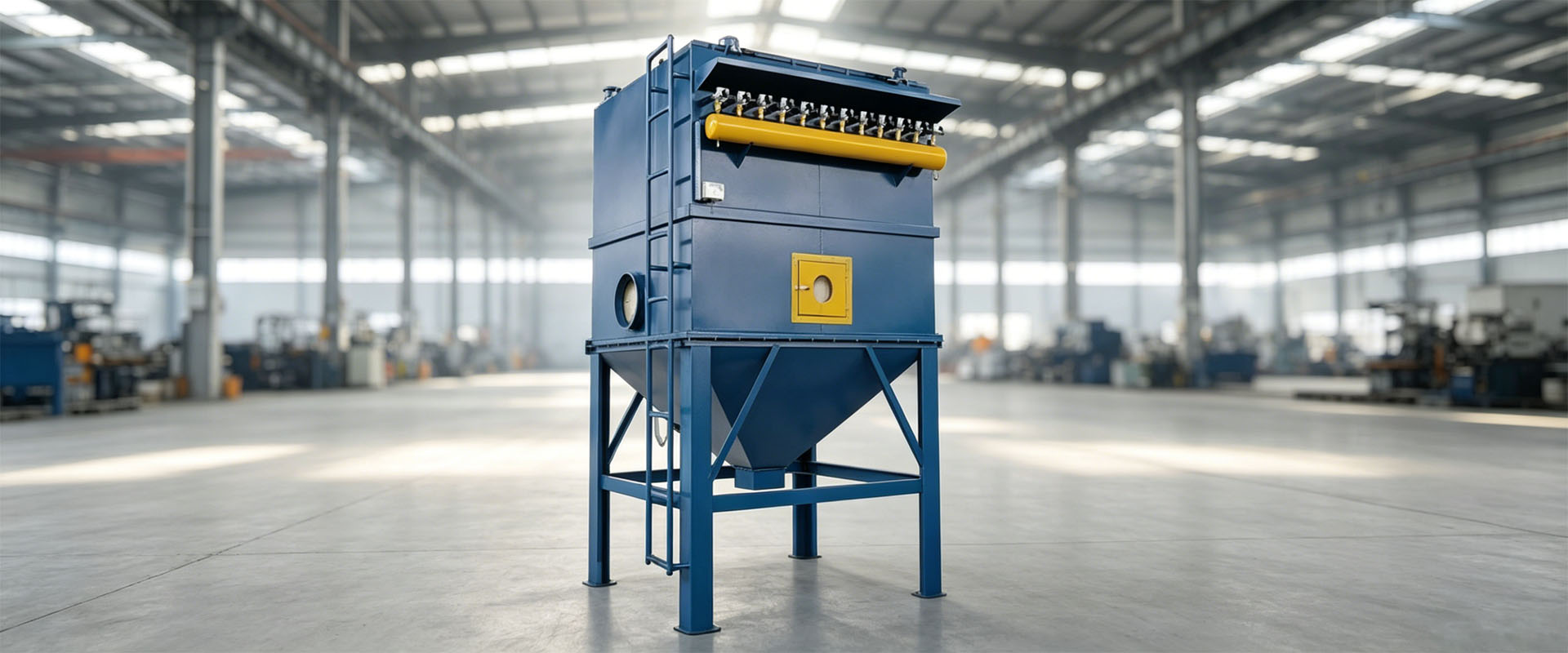
Baghouse filter, for fine dust collection in woodworking
Industrial Baghouse Dust Collector Baghouse dust collectors use filter media to filter dust-laden gases to achieve dust removal.The structure of a baghouse dust collector includes an upper box, middle box, lower box (ash hopper), cleaning system, and ash discharge mechanism. Bag dust collectors mainly consist of four major systems: cleaning system, control system, inspection system, and safety protection system.
The filter bags of baghouse dust collectors are made of fabric or felt woven from synthetic fibers, natural fibers, or glass fibers.The operating principle of the baghouse dust collector is as follows:After dust-laden gas enters the dust collector, the airflow velocity decreases, and larger particles in the dust settle directly into the hopper.
The remaining dust particles pass through the filter bag from the outside to the inside for filtration, while the clean flue gas is discharged from the inside of the filter bag, while the fly ash is trapped on the outside of the filter bag.
As accumulated dust accumulates, the pressure difference between the inside and outside of the dust removal filter bag gradually increases. When the pressure difference reaches the set value, the pulse valve diaphragm automatically opens, and pulsed air is injected into the filter bag through the nozzle, causing the filter bag to expand, thereby removing dust attached to the filter bag and achieving dust removal.
Baghouse dust collectors offer highly efficient and stable performance, suitable for various environments and particles. In practical applications, baghouse dust collectors are highly effective at collecting non-sticky, fiber-free dust.
The operating principle of the baghouse dust collector is as follows: After dust-laden gas enters the dust collector, the airflow velocity decreases, and larger particles in the dust settle directly into the hopper.The remaining dust particles pass through the filter bag from the outside to the inside for filtration, while the clean flue gas is discharged from the inside of the filter bag, while the fly ash is trapped on the outside of the filter bag.As accumulated dust accumulates, the pressure difference between the inside and outside of the dust removal filter bag gradually increases. When the pressure difference reaches the set value, the pulse valve diaphragm automatically opens, and pulsed air is injected into the filter bag through the nozzle, causing the filter bag to expand, thereby removing dust attached to the filter bag and achieving dust removal.Baghouse dust collectors offer highly efficient and stable performance, suitable for various environments and particles. In practical applications, baghouse dust collectors are highly effective at collecting non-sticky, fiber-free dust
pulse valve
silent fan
Dust frame
Plc control box
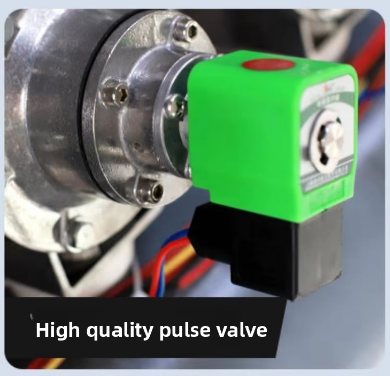
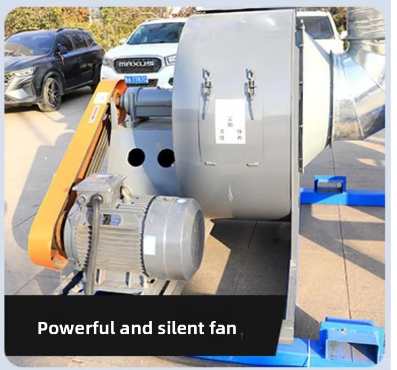
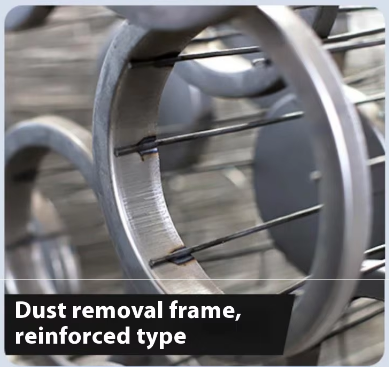
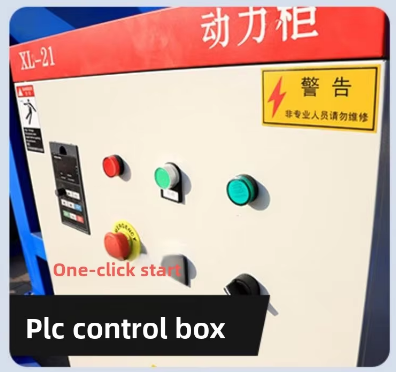
Industrial Baghouse Dust Collector Working principle of the baghouse dust collector pulse valve:
The electromagnetic pulse valve is one of the components in the spray system of dust collector equipment. Its main function is to blow the bags, and the dust removal effectiveness of the dust collector depends on whether the dust cleaning of the bags works properly.
The electromagnetic pulse valve is the main component of the spray bag, so whether the dust collector can operate properly depends on the solenoid pulse valve.
Industrial Baghouse Dust Collector The working principle of the baghouse dust collector fan is to use the airflow generated by the fan to draw dust particles from the air into the baghouse dust collector,
and then separate the particles through the blocking effect of the filter bags, thereby achieving air purification.
Industrial Baghouse Dust Collector The dust collection frame (supporting skeleton) of the baghouse dust collector primarily serves to support the filter bags,
ensuring they maintain a fixed shape and position during the filtration process, preventing deformation or damage due to airflow impact.
Industrial Baghouse Dust Collector The working principle of the baghouse dust collector PLC control box is to achieve precise regulation, real-time monitoring,
and fault warning throughout the dust removal process through highly integrated automated control technology, ensuring efficient and stable operation of the dust collector.
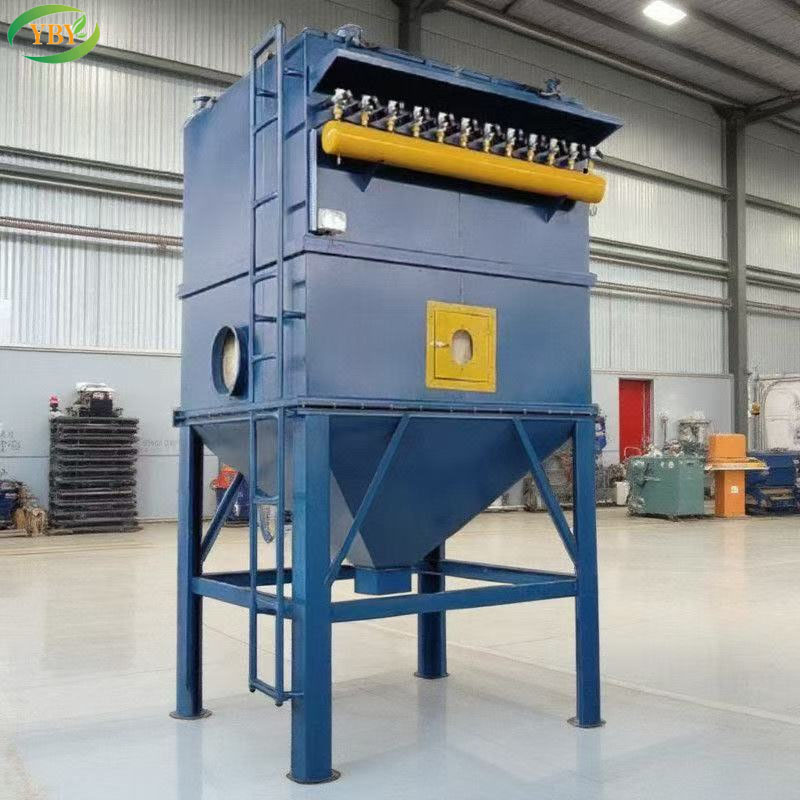
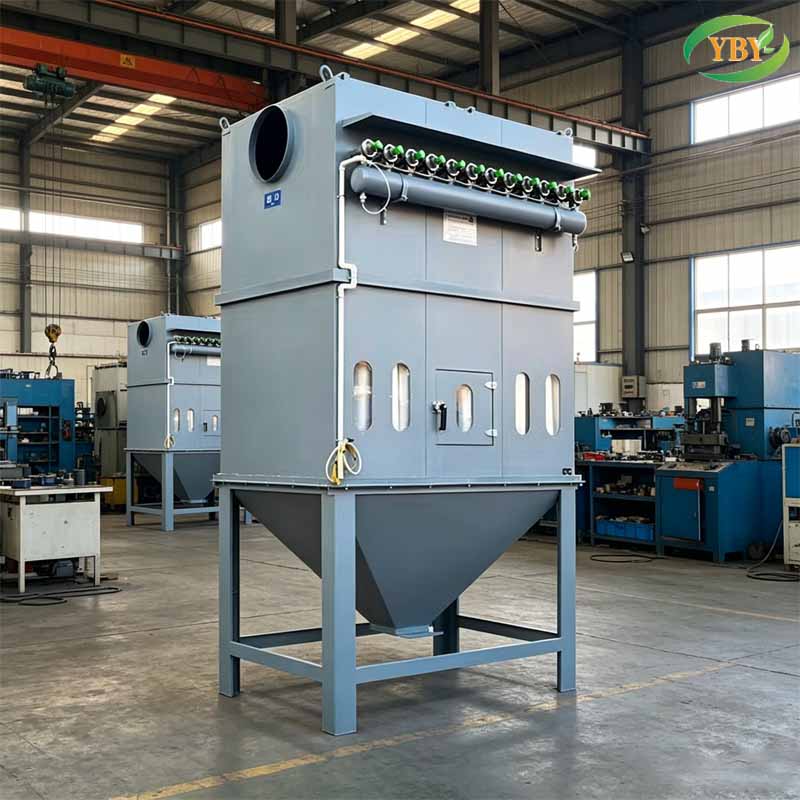
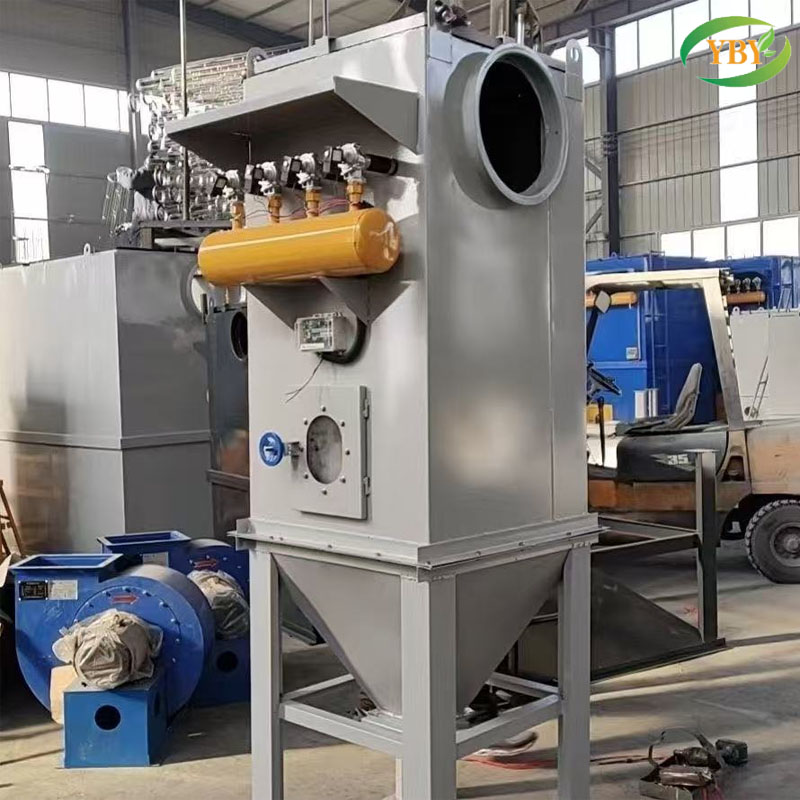
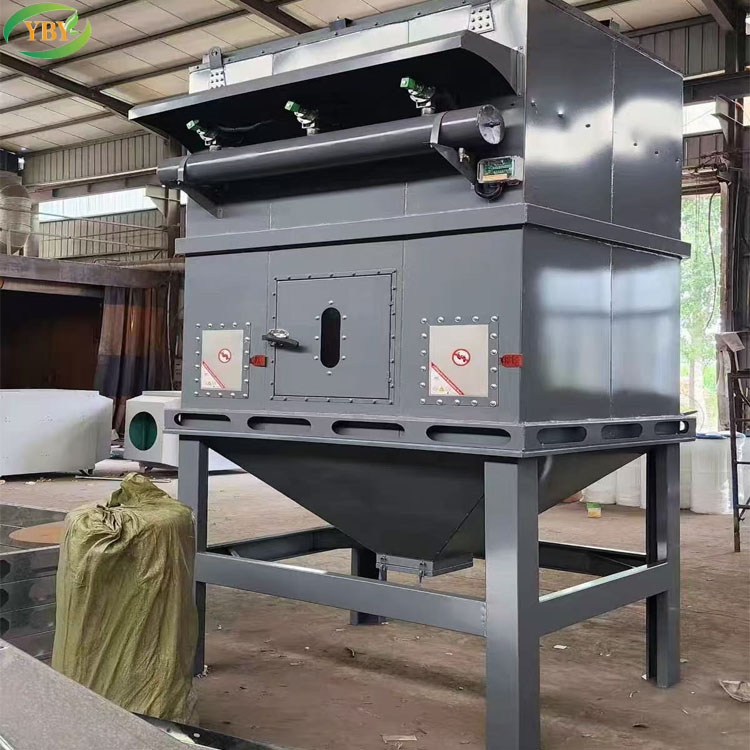
Industrial Baghouse Dust Collector Basic structural featuresHousing:
The housing is the main part of the dust collector, usually in round, square, or diamond shapes, offering good sealing and stability to ensure the normal operation of the dust collector.
Filter bags: The filter bags are the core components of the dust collector, made from woven fibers such as polyester or glass fibers, offering good filtration performance and certain mechanical strength. The selection of filter bags is crucial, as it directly affects the dust removal performance of the dust collector.
Ash hopper: The ash hopper is a device in the dust collector that collects dust, usually installed at the bottom of the dust collector. It has good sealing and stability, ensuring dust collection and transportation.
Ash Cleaning System: The cleaning system plays a decisive role in bag dust collectors. Common components include pulse valves, spray devices, and pulse controllers.
They can spray gas onto the inner surface of filter bags at scheduled or quantitative times according to program control requirements to achieve cleaning purposes.
Industrial Baghouse Dust Collector the specific work process is as follows:
The dusty gas enters the dust collector box under the negative pressure generated by the fan and is evenly dispersed to each filter bag area through the air flow distribution device1.
When the dusty gas passes through the filter bag, the dust particles in the gas are intercepted by the filter bag and attached to the surface of the filter bag according to the action mechanism of screening, inertial collision, interception, diffusion and static electricity, forming a dust layer.
The clean gas passes through the filter bag into the clean air chamber and then discharges the dust collector through the exhaust port.As the filtration process continues, the dust layer on the surface of the filter bag continues to thicken, resulting in an increase in the operating resistance of the equipment.
In order to maintain the stable operation of the system, the dust on the surface of the filter bag needs to be periodically removed through the ash cleaning mechanism.
Common cleaning methods include blowback cleaning and pulse spray cleaning and mechanical vibration cleaning methods.